What to Expect During a Professional Brickwork Installation
People searching for brickwork installation are typically looking to have skilled local contractors build or repair brick structures, ensuring quality work and professional results.
If property owners in the area are considering a professional brickwork installation, understanding what to expect can make the process smoother and more predictable. Whether upgrading a garden wall, building a new fireplace, or enhancing the exterior façade, knowing the typical steps involved helps set realistic expectations. Local contractors specializing in brickwork bring valuable experience to ensure the project progresses efficiently, with attention to detail that preserves the durability and aesthetic appeal of the finished work.
Readers exploring this topic often have practical reasons for their interest, such as improving curb appeal, increasing property value, or repairing existing structures. Recognizing the phases of a professional brickwork installation-from initial planning and surface preparation to the final finishing touches-can help property owners feel more informed and confident in their decisions. Local service providers are equipped to handle these tasks, providing the expertise needed to achieve a quality result that stands the test of time. Keep reading to learn more about what a typical brickwork installation entails and how local pros can support the project.
- Brickwork for fireplaces - homeowners may need this service when updating or installing a new fireplace, with local contractors ensuring proper design and durable installation.
- Retaining walls - property owners seeking to manage land erosion or define outdoor spaces can rely on local service providers to handle the structural requirements.
- Brick facades - those looking to enhance curb appeal or replace worn exterior surfaces can expect local pros to deliver precise and aesthetically pleasing results.
- Patio and walkway brickwork - individuals planning outdoor living areas or improved pathways can connect with local contractors experienced in durable, attractive installations.
- Chimney repair and rebuilding - homeowners needing to restore or reinforce chimneys can depend on local service providers to perform safe and effective work.

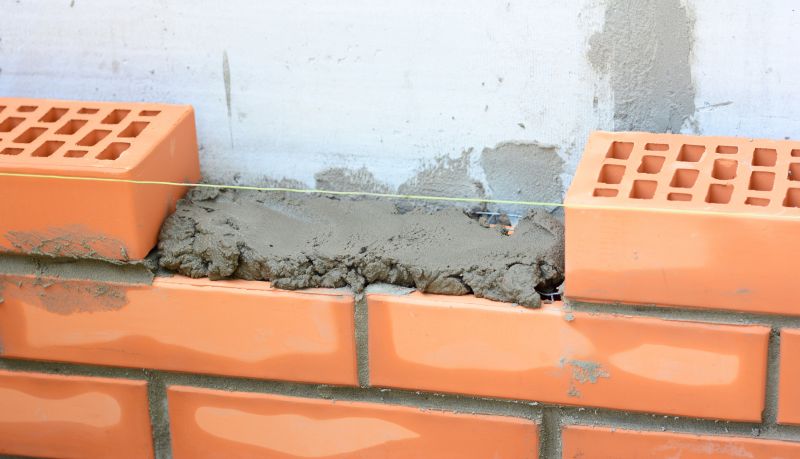
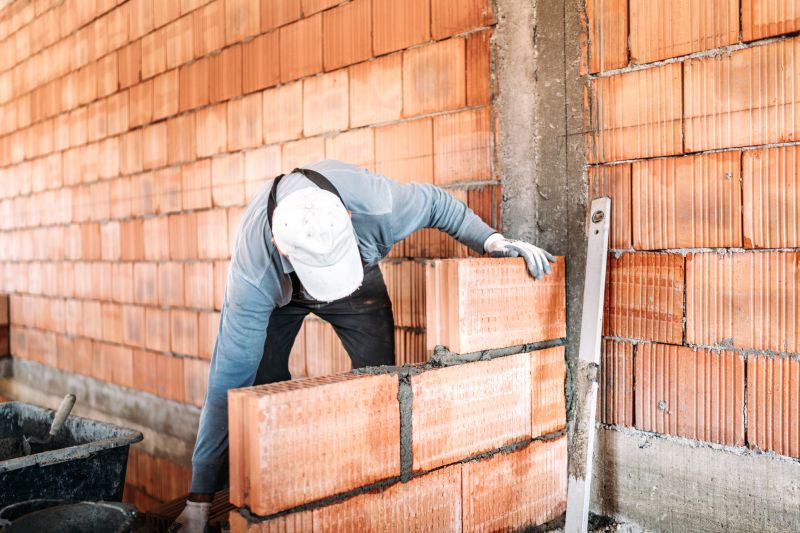
When searching for information about what to expect during a professional brickwork installation, homeowners often want to understand the overall process involved in upgrading or constructing brick features on their property. This might include building new walls, restoring existing structures, or adding decorative elements such as facades or garden walls. People typically seek clarity on how the work unfolds, the steps involved, and what they should anticipate in terms of preparation, execution, and completion. Knowing what to expect helps set realistic expectations and ensures that property owners are prepared for the scope of the project, making it easier to coordinate with local contractors and plan accordingly.
Brickwork installations are commonly associated with projects that address both functional and aesthetic needs. For instance, homeowners might be looking to create durable boundary walls, enhance the appearance of a fireplace, or repair damaged brick features. These projects often relate to issues like structural stability, weather resistance, or visual appeal. Additionally, many property owners plan renovations or additions that require skilled brickwork to match existing structures or to meet specific design preferences. Understanding the typical problems or plans connected to brickwork helps homeowners communicate their goals clearly and select service providers who specialize in the type of work needed.
The types of properties that frequently involve professional brickwork installations include residential homes, especially those with traditional or historic styles, as well as commercial buildings and public spaces. In residential settings, brickwork is often used for boundary walls, chimneys, patios, and decorative facades. Commercial properties may require brickwork for storefront facades, retaining walls, or security features. Public spaces like parks or community centers sometimes incorporate brick features for durability and visual impact. Recognizing the variety of property types that benefit from professional brickwork helps homeowners understand how these services can be tailored to different structural and aesthetic requirements.
During a professional brickwork installation, property owners can generally expect a sequence of clear stages. Initially, a local contractor will assess the site, discuss the project scope, and prepare the area for work. This may involve clearing the site, setting up scaffolding, or protecting surrounding surfaces. The actual installation involves laying bricks or blocks with precision, ensuring proper alignment, mortar application, and structural integrity. Once the brickwork is complete, there may be finishing touches such as cleaning excess mortar, inspecting for quality, and making minor adjustments. Throughout the process, homeowners should be aware that skilled local pros prioritize safety and craftsmanship to deliver a durable, visually appealing result that meets the project’s goals.
Fireplace and Chimney Masonry - these projects require precise bricklaying skills and attention to detail, similar to those needed during a professional brickwork installation.
Retaining Wall Construction - involves planning and building durable structures with proper support, paralleling the planning phase of brickwork installations.
Patio and Walkway Paving - requires careful leveling and material handling, which are also essential skills for successful brickwork projects.
Exterior Facade Restoration - involves detailed surface preparation and masonry work, akin to the processes in professional brickwork installation.
Garden Wall Building - includes planning and executing masonry with aesthetic considerations, similar to the craftsmanship in brick installation services.
Brick and Stone Veneer Installation - involves applying thin masonry materials with precision, related to the skills used during brickwork installation projects.
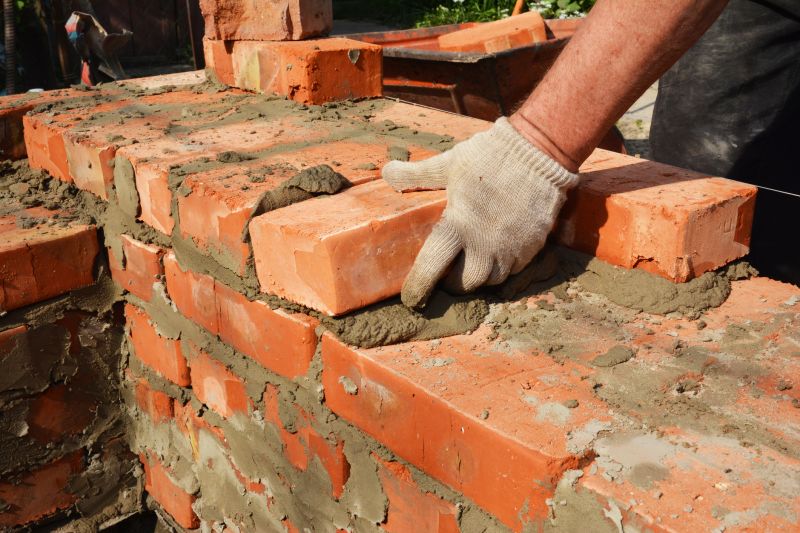
When evaluating service providers for a brickwork installation, it is important to consider their experience with similar projects. Homeowners should inquire about the types of brickwork projects the contractors have completed in the past and whether they have worked on projects comparable in scope and style. A seasoned local contractor will typically have a portfolio of completed jobs that demonstrate their ability to handle different designs, materials, and complexities. This experience helps ensure that the contractor understands the nuances of professional brickwork and can anticipate potential challenges, ultimately contributing to a smoother installation process.
Clear, written expectations are essential when comparing local contractors for brickwork installation services. Homeowners should seek detailed project descriptions that outline the scope of work, materials to be used, and the estimated timeline for completion. Having this information in writing helps prevent misunderstandings and provides a reference point throughout the project. Service providers who communicate their process transparently and provide thorough written estimates are often better equipped to meet expectations and deliver a quality result.
Reputable references and effective communication are key factors in choosing the right local pros for brickwork installation. Homeowners should ask for references from past clients to gain insights into the contractor’s reliability, craftsmanship, and professionalism. Additionally, good communication skills-such as prompt responses to questions and clarity in explanations-are indicators of a contractor’s commitment to customer satisfaction. Service providers who prioritize open dialogue and provide consistent updates can help ensure the project proceeds smoothly and that homeowners feel confident throughout the process.
Property owners often search for what to expect during a professional brickwork installation when they are planning practical projects around their homes and businesses. Local pros provide Brickwork Installation services for everyday jobs and straightforward project options.
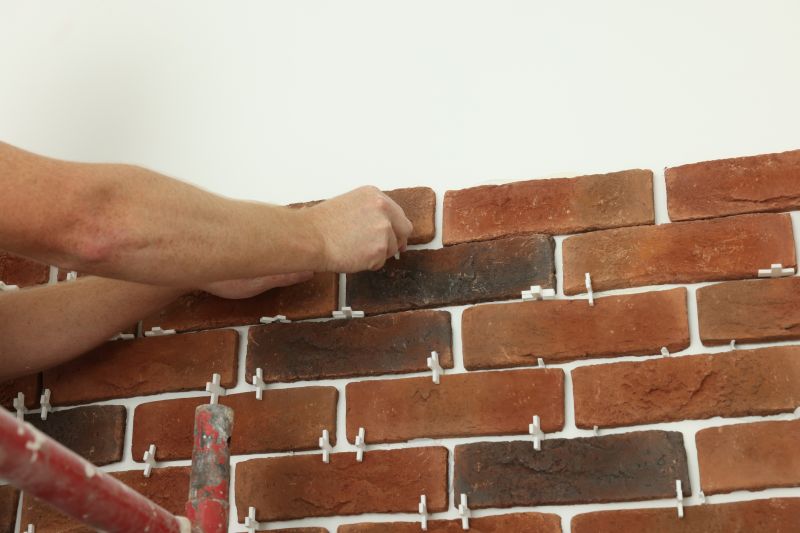
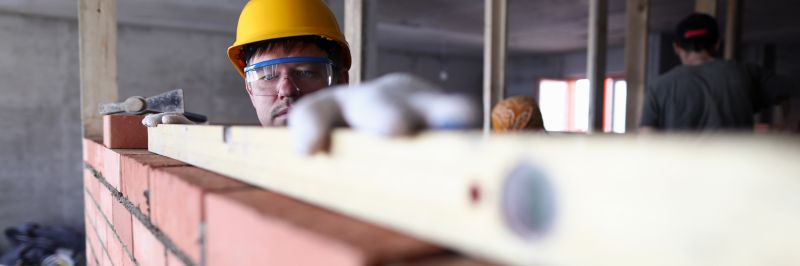
When considering a professional brickwork installation, property owners often find it helpful to understand what the process typically involves. During the project, local contractors usually prepare the site by clearing the area and ensuring a solid foundation. They then carefully lay each brick or stone, paying attention to alignment and spacing to create a durable and visually appealing result. It’s common to see some minor disruptions, like noise or dust, but these are generally temporary. Knowing what to expect during a professional brickwork installation can help property owners plan accordingly and feel confident that experienced service providers will handle the work efficiently and effectively.
Homeowners in the area might look up this topic to better understand the scope of work involved and to ensure the project meets their expectations. Professional brickwork installation often includes steps like mixing mortar, setting bricks in precise courses, and allowing proper curing time. Service providers aim to deliver a finished product that enhances the property’s appearance and structural integrity. When choosing local contractors, property owners can expect a focus on quality craftsmanship, attention to detail, and clear communication throughout the process. Understanding these aspects can make the experience smoother and help ensure the final result aligns with the property owner’s vision.
What should I expect during a professional brickwork installation? During a professional brickwork installation, local contractors typically prepare the site, set up scaffolding if needed, and carefully lay bricks following specified patterns. They ensure proper alignment, leveling, and jointing for a durable and visually appealing result.
How do professionals handle the preparation process? Local service providers usually start with site assessment, clearing the area, and preparing a stable foundation to ensure the brickwork is built on a solid base, which is essential for long-lasting results.
What kind of work is involved during the actual bricklaying? During bricklaying, pros systematically lay bricks in courses, using mortar to bond them securely, paying close attention to spacing, alignment, and consistency to achieve a professional finish.
Are there any specific steps taken to ensure quality during installation? Yes, experienced contractors regularly check for level and plumb throughout the process, and they use proper mortar mixing and curing techniques to ensure the brickwork is strong and durable.
What happens after the brickwork installation is complete? After installation, local pros typically clean the area, inspect the work for quality, and may apply finishing touches like pointing or sealing to enhance appearance and longevity.
Site preparation and assessment - Property owners can work with local contractors to evaluate the site and prepare the area for brickwork, ensuring a smooth installation process.
Material selection and planning - Discussing different brick types and design options helps property owners choose materials that match their aesthetic and functional needs.
Installation process overview - Understanding the typical steps involved allows property owners to plan around the work and know what to expect during the installation.
Finishing and cleanup procedures - Knowing how contractors handle finishing touches and site cleanup helps property owners prepare for the final results of the project.
If you are thinking about what to expect during a professional brickwork installation for a property, this guide is meant to help you understand this topic, the typical project types, and how different options might fit your plans.
When you are ready, you can use the quote form on this page to share a few details about your project. From there, local pros can review the basics and follow up with options that match what you have in mind.